Source Peugeot Electric Fuel Pump for Auto Engine Replacement
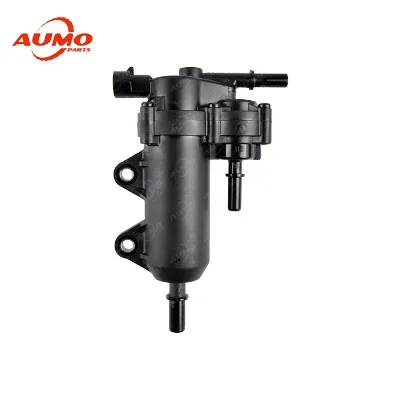
Find 30 listings for the peugeot electric fuel pump, featuring steel body construction and multi-cylinder compatibility. Compare variable flow rates, pressure specs, and ISO certifications to identify suitable aftermarket replacements for automotive engine applications; compare the available evidence and request quotations based on your requirements.
Key considerations
Products List


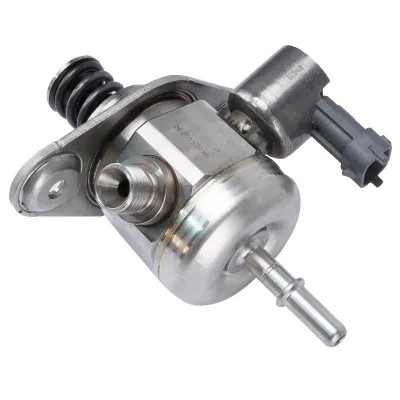
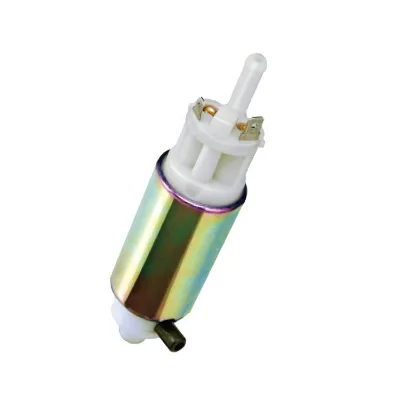
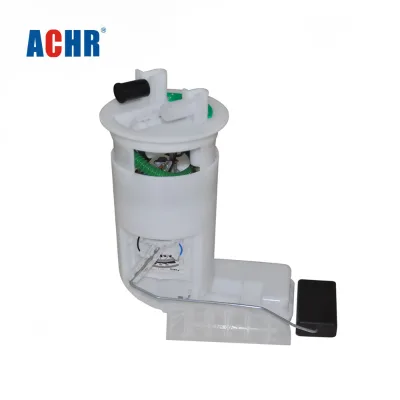
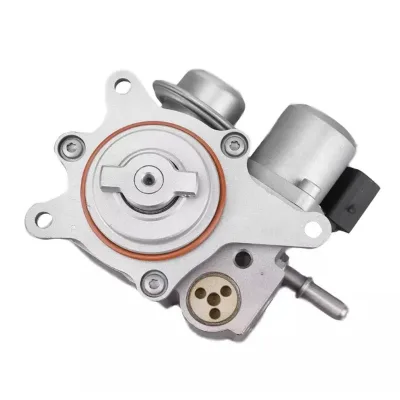
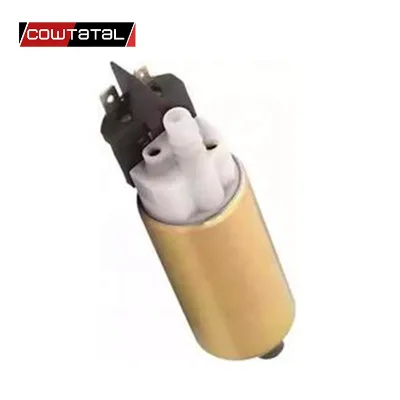

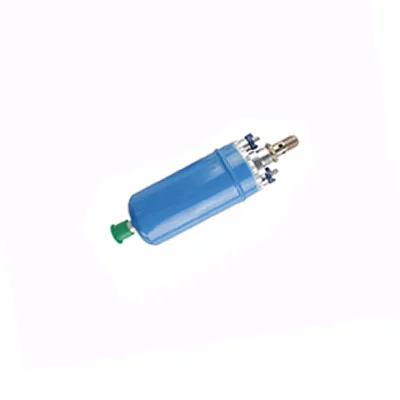
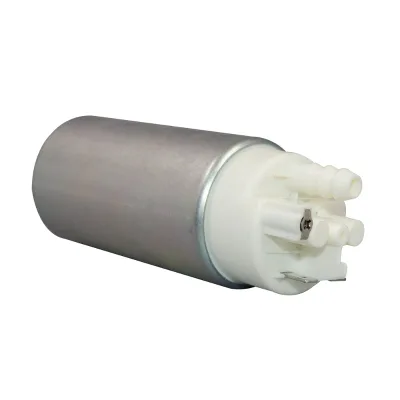
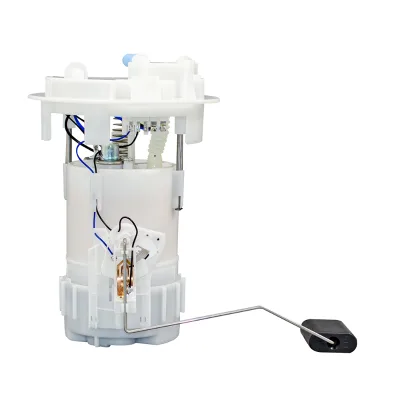


Comprehensive Sourcing Guide
Peugeot Electric Fuel Pump Sourcing Guide
Procuring electric fuel pumps for Peugeot vehicles requires precise alignment between the component's electrical architecture and the engine's fuel delivery demands. Buyers must prioritize units explicitly matching the vehicle's specific fuel pressure and flow rate requirements, as variations in these metrics can lead to engine performance issues or premature failure. The observed market data indicates a range of flow rates from 80 to 155 liters per hour, necessitating a careful review of the specific model year and engine configuration before placing an order.
Verification of the original equipment number is critical to ensure compatibility with the Peugeot powertrain. Listings frequently reference OE numbers such as 0580453482 and 0580453465, which serve as primary identifiers for the correct pump assembly. Sourcing teams should cross-reference these numbers against the vehicle's service manual to avoid mismatches, as even minor deviations in the internal circuitry or housing dimensions can render a replacement unit incompatible with the vehicle's electronic control system.
Product Scope and Observed Listing Signals
The current market for Peugeot electric fuel pumps displays a diverse range of product attributes, including multi-cylinder configurations and downdraft carburettor types, though these features must be validated against the specific engine design. Buyers should note that while some listings describe the product as an after-market replacement, others emphasize high-quality aftermarket standards. It is essential to distinguish between generic fuel pumps and those specifically engineered for the Peugeot brand, as the latter often include tailored electrical connectors and pressure regulation mechanisms.
Listing signals such as "Can Be Provided for Test" and "Sample Offer" indicate a supplier's willingness to validate product performance before a bulk commitment. These signals are particularly valuable for verifying the physical fitment and electrical response of the pump in a real-world scenario. Procurement teams should leverage these sample opportunities to confirm that the observed flow rates and pressure ratings, which vary between 1 bar and 3 bar in the market, meet the strict operational requirements of the target Peugeot model.
Technical Specifications to Verify
Technical verification must begin with the fuel pressure and flow rate specifications, as these are the primary determinants of engine efficiency and reliability. The observed data shows pressure ratings ranging from 1 bar to 3 bar and flow rates between 80 and 155 liters per hour, requiring buyers to select the exact specification that matches the vehicle's original design parameters. Selecting a pump with incorrect pressure can lead to fuel starvation or flooding, while an incorrect flow rate may cause the engine to run lean or rich, affecting emissions and fuel economy.
The electrical power source and cylinder configuration are equally critical technical factors that must be confirmed before finalizing a purchase. Most observed units are powered electrically and designed for multi-cylinder engines, but the specific voltage and current requirements must align with the vehicle's electrical system. Additionally, the body material, typically steel, and the packing method, often individual box packaging, should be inspected to ensure the component can withstand the mechanical stresses of the engine bay and the rigors of transportation without damage.
Compliance and Safety Documentation
Compliance documentation for Peugeot fuel pumps often includes certifications such as ISO 9001:2000 and ISO/TS 16949, which indicate adherence to automotive quality management standards. These certifications are vital for ensuring that the manufacturing process maintains consistent quality control and that the components meet the rigorous safety requirements of the automotive industry. Buyers should request copies of these certificates to verify that the supplier's production facilities are audited and compliant with international automotive standards.
Safety and environmental compliance are further evidenced by the use of environmental-friendly materials and adherence to OEM standards in the product construction. The HS code 8413302900 classifies these pumps under specific trade regulations, which may impact import duties and customs clearance procedures. Procurement teams must ensure that all documentation, including material safety data sheets and compliance certificates, accompanies the shipment to facilitate smooth customs processing and to confirm that the product meets all regulatory requirements for the destination market.
Cost Drivers and Commercial Terms
Cost drivers for Peugeot electric fuel pumps are influenced by the complexity of the internal components, the quality of the materials used, and the level of customization available. The observed price range of 1 to 2190 USD reflects significant variations in product quality, brand reputation, and the inclusion of additional features such as electronic fuel-saving technology. Buyers should analyze the cost structure to understand whether a lower price point compromises the durability or performance of the pump, as the long-term cost of failure often outweighs the initial savings.
Commercial terms, including minimum order quantities and warranty provisions, play a significant role in the total cost of ownership. The market shows MOQs ranging from 1 to 200 units, offering flexibility for both small-scale repairs and large fleet replacements. A one-year warranty is commonly offered, providing a safety net against manufacturing defects, but buyers must clarify the terms of this warranty, including coverage for shipping costs and the process for handling claims, to ensure adequate protection for their investment.
Supplier Qualification and Quality Control
Supplier qualification should focus on verifying the origin of the product and the robustness of their quality control systems. The majority of observed listings originate from Zhejiang, China, a region known for its manufacturing capabilities, but buyers must ensure that the specific supplier maintains strict quality control measures. Requesting evidence of their production processes and quality assurance protocols is essential to confirm that the fuel pumps meet the high standards required for automotive applications.
Quality control checks should include a review of the supplier's ability to provide samples for testing and their track record with after-market replacements. The availability of samples allows buyers to conduct physical and functional tests to verify the pump's performance under operating conditions. Additionally, suppliers should demonstrate a commitment to consistency by adhering to OEM standards and providing detailed product specifications, ensuring that every unit delivered matches the quality of the original equipment.
Long-Term Procurement Checks
Long-term procurement success depends on establishing a reliable supply chain that can consistently deliver high-quality fuel pumps over time. Buyers should implement a system for monitoring supplier performance, including delivery times, product consistency, and responsiveness to quality issues. Regular audits and performance reviews help maintain high standards and ensure that the supplier continues to meet the evolving needs of the Peugeot vehicle fleet.
Continuous verification of product specifications and certifications is necessary to adapt to changes in automotive standards and vehicle models. As Peugeot updates its vehicle lines, the requirements for fuel pumps may change, necessitating a proactive approach to sourcing. Buyers should maintain open communication with suppliers to stay informed about new product developments and ensure that the procurement strategy remains aligned with the latest technical and regulatory requirements.
FAQs
What is the typical flow rate for a Peugeot electric fuel pump?
The typical flow rate for a Peugeot electric fuel pump is 155 liters per hour. This specification ensures adequate fuel delivery for engine performance. Some models may offer 140 liters per hour or 95 liters per hour depending on the specific application. Buyers should verify the exact flow requirement for their vehicle model to ensure compatibility and optimal engine operation.
Which certifications are required for Peugeot electric fuel pump suppliers?
Suppliers typically require ISO 9001:2000 and ISO/TS 16949 certifications for Peugeot electric fuel pumps. These standards ensure quality management and automotive industry compliance. Some products may also carry ISOCE certification. Buyers should request valid certificates to verify that the manufacturer meets international quality and safety standards for automotive components.
Can suppliers provide samples for Peugeot electric fuel pump testing?
Yes, suppliers can provide samples for Peugeot electric fuel pump testing. This allows buyers to verify product quality and fit before placing bulk orders. Samples are often available for evaluation purposes. Buyers should contact the supplier directly to arrange sample requests and confirm any associated costs or shipping details for the testing phase.
What is the standard packaging for Peugeot electric fuel pumps?
The standard packaging for Peugeot electric fuel pumps is individual box packing. Each unit is typically placed in its own box to prevent damage during transit. Some suppliers may use colorful packing for branding or identification purposes. This packaging method helps protect the product and ensures it arrives in good condition for installation or resale.
Where are Peugeot electric fuel pumps typically manufactured?
Peugeot electric fuel pumps are typically manufactured in Zhejiang, China. This region is a known hub for automotive component production. Buyers can expect products to originate from this location. Sourcing from this area often provides access to a wide range of suppliers and competitive pricing for automotive parts and accessories.
What is the warranty period for Peugeot electric fuel pumps?
The warranty period for Peugeot electric fuel pumps is usually one year. This covers defects in materials and workmanship under normal use. Buyers should retain proof of purchase to claim warranty services. The warranty ensures product reliability and provides peace of mind for automotive professionals and retailers sourcing replacement parts.